Furnace Installation vs. Replacement: How St. Paul Homeowners Can Decide
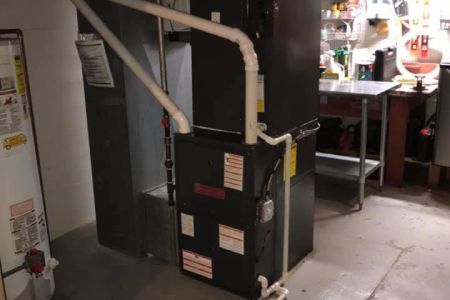
If you’re weighing furnace installation or replacement for your St. Paul home, you’re not alone. Our winters test every heating system, so it’s smart to decide with clear facts and a plan that fits your home, comfort goals, and budget.
Below, you’ll learn how to tell when a full replacement is wiser than repairs, what a first-time installation includes, and which local factors matter most. If you’re ready to explore options, take a closer look at furnace installation and how a properly sized system can keep your family comfortable through the coldest snaps.
What “Installation” Really Means for St. Paul Homes
Installation can mean one of two things. For some homeowners, it’s the first furnace in a space that never had central heat, such as a finished attic, a new addition, or a converted duplex. For others, it’s swapping in a new unit and reconnecting to existing ducts, gas, and electrical.
Every St. Paul house is a little different. Classic bungalows in Mac-Groveland may have tighter mechanical rooms than split-level homes in Highland Park. The process often includes assessing duct condition, ventilation, combustion air, and where to route the flue or PVC venting. City inspections and utility requirements can apply, but specifics vary by project and jurisdiction, so your technician will outline what’s needed for your address.
When Replacement Is the Smarter Move
“Repair or replace?” is the question most people ask first. Replacement tends to be the better choice when your current system can’t deliver safe, steady heat or when it’s inefficient enough to drive up winter bills.
- The heat exchanger is cracked or compromised. If a technician confirms a cracked heat exchanger, replacement is the safest path.
- Your furnace struggles to reach the set temperature during cold snaps or short-cycles constantly.
- Frequent breakdowns or major parts nearing the end of life after years of service.
- Uneven heating between floors persists even after duct and control adjustments.
- Efficiency is well below modern standards, and bills keep rising each winter.
Homeowners in Como Park and Payne-Phalen often see the “uneven heat” issue in older two-story layouts. A right-sized, sealed, and properly commissioned replacement can deliver steadier heat and quieter operation while helping keep rooms within a narrower temperature range.
When a New Installation Makes Sense
Not every project is a swap. If your home never had central heat in a space, or you’re changing fuel type, an all-new installation may be the best fit.
- First-time central heating in a home or area now served by radiators, space heaters, or electric baseboards.
- A new addition that needs to be tied into your main system or heated by a dedicated furnace.
- Fuel conversion or a system redesign to align with comfort goals and future plans.
These projects take extra planning. Your technician will evaluate duct routes, return air locations, venting options, and load needs for that part of the house. The result is a heating system that’s integrated, not improvised, so rooms feel comfortable without constant tinkering.
Key Factors To Weigh: Efficiency, Comfort, and Safety
Choosing between replacement and installation isn’t just about what’s in your basement. It’s about how the whole home feels on a January night, how quietly the system runs, and how consistently it holds the temperature room to room.
- Efficiency: Modern furnaces are built to turn more fuel into useful heat. The right match can help stabilize winter bills, especially in draft-prone homes near the river where wind can push cold air into leaky spots.
- Sizing: Bigger isn’t better. Oversizing can cause short cycles, temperature swings, and noise that make the house feel less comfortable, not more. A proper load calculation accounts for window type, insulation levels, and the shape of your rooms, so the system runs steadily and smoothly.
- Safety and ventilation: Sealed combustion and correct venting help keep exhaust outdoors. Keep carbon monoxide alarms installed and tested on every level of the home. Always replace filters on schedule and keep surrounding areas clear so the furnace can breathe.
How St. Paul Weather and Homes Affect Your Choice
Our winter pattern includes lengthy stretches well below freezing. In neighborhoods like West Seventh and Summit-University, older homes often have varied insulation from room to room, which can magnify hot-and-cold spots. A carefully sized replacement with updated duct sealing or minor balancing has an outsized impact on comfort in these homes.
Basements are another St. Paul quirk. Many have low ceilings and tight corners that affect furnace clearances and service access. When you’re installing for the first time or swapping an older unit, the layout of the flue, condensate drain, and gas line must fit the space so maintenance stays simple. That’s why a thorough in-home evaluation is so important.
The “Repair for Now” vs. “Replace Today” Decision
If your furnace still runs but has recurring issues, it’s tempting to repair it again. A good rule is to consider overall reliability, comfort, and future plans for the home. If you expect to stay in your house in Battle Creek for years and comfort is a daily frustration, a well-designed replacement can make more sense than another short-term fix.
On the other hand, if issues are minor and the system is otherwise reliable, a repair paired with a maintenance plan could carry you through this winter while you plan for a future upgrade. Your technician can walk through the trade-offs without pressure, so you know what you’re getting either way.
What To Expect During the Installation or Replacement
Most projects start with a load calculation and a walkthrough of the install plan. Crews protect floors, set the new equipment, connect gas and electrical, and verify safe venting. Duct adjustments and thermostat setup follow. Time on site varies by home size, access, and any duct or vent changes, so your installer will give you a reasonable schedule for your address.
Commissioning matters. That means testing static pressure, checking temperature rise, confirming airflow, and verifying controls. When this step is done right, your system runs as designed, and comfort feels natural.
Comfort Features Worth Considering
Today’s furnaces can include features that solve real comfort problems in St. Paul homes. Variable-speed blowers help smooth out drafts and reduce noise, which is great for bedrooms near supply vents. Enhanced filtration and smart thermostats can also improve air quality and give you more granular control over schedules.
Zoning is another tool for tricky layouts, such as finished half-stories or basements converted to living space. With zoning, different areas can get the heat they need without overheating the rest of the home. Your installer can explain whether your ductwork is a good match for this option.
Common Mistakes To Avoid
Shopping only by furnace size or a single feature can backfire. Two models with similar ratings can perform very differently in your home if the ductwork, controls, or venting aren’t matched correctly. Don’t rush the decision without a load calculation and a look at your ducts. Those two steps protect comfort, safety, and long-term reliability.
Another pitfall is postponing a replacement when safety is in question. If a trusted technician says a critical part is compromised, it’s best to act. That protects your family and helps avoid mid-winter breakdowns that are harder to schedule.
How To Choose the Right Partner
Look for a local team that takes time to measure, inspect, and explain. Clear communication and a tidy job site matter as much as brand names and features. If you want a starting point, reach out to Lux Mechanical to discuss options for your home and goals this heating season. You can trust our expert team as your local St. Paul HVAC company. Call 651-778-1425 to get started
GET COMFORTABLE WITH OUR HVAC SPECIALISTS IN ST. PAUL.