How Regular Rooftop Unit Maintenance Extends the Life of Commercial AC Systems in St Paul, MN
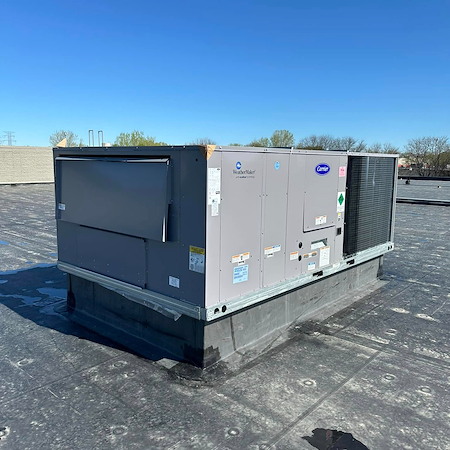
Commercial buildings in St Paul face freezing winters, spring storms, and humid summers that push rooftop AC units hard. Regular rooftop unit maintenance keeps your system efficient, dependable, and built to last. At Lux Mechanical, our commercial HVAC maintenance plans help protect your investment and lower risk across offices, retail spaces, and facilities throughout Downtown, Midway, Highland Park, and beyond.
Why Rooftop Unit Maintenance Matters In St Paul, MN
RTUs sit in the harshest spot on your property. Snow loads, ice, hail, and heat cycles can wear components faster than expected. When coils get dirty or belts loosen, compressors and motors work harder, which shortens their life. Routine commercial HVAC maintenance breaks this cycle so parts last longer and energy use stays in check.
- Freeze and thaw cycles can shift curbs and seams, allowing water to pool and corrode parts.
- Spring pollen and cottonwood near the Mississippi clog coils and filters, cutting airflow and raising head pressure.
- Summer humidity in July and August strains drainage and increases the chance of pan overflows.
If your site has mixed-use spaces or extended hours, maintenance becomes even more important to prevent nuisance outages on busy days. You can also explore our wider cooling services to keep every part of your system aligned with your building’s needs.
Local insight: After a heavy winter, snow removal and freeze-thaw can loosen roof flashings around RTU curbs. A quick perimeter check during spring service helps catch moisture issues before they reach ceilings.
Safety reminder: Always restrict roof access to trained personnel and follow building safety policies during service.
What Regular RTU Maintenance Includes
Airflow And Filtration
Correct airflow keeps compressors and heat exchangers within safe operating ranges. Technicians confirm filter fit and condition, check return and supply paths, and verify that dampers move freely. Reduced airflow makes the unit run longer and hotter, which accelerates wear.
Coils And Heat Exchange Surfaces
Outdoor condenser coils collect dust, pollen, and cottonwood. A restricted coil raises discharge pressure and forces the compressor to work harder. Proper coil cleaning and fin inspection restore heat transfer, lower amperage, and help the unit cycle normally.
Belts, Bearings, And Fan Assemblies
Fan belts stretch and glaze over time. Bearings dry out and can become noisy. Techs check alignment and tension, listen for vibration, and assess sheaves and pulleys. Replace belts proactively to prevent surprise outages on the hottest afternoons.
Electrical And Control Checks
Loose lugs and aging contactors create heat and arcing that shortens component life. During service, connections are tightened, contact surfaces inspected, and control settings verified so staging and economizers operate as designed.
Condensate Management
Clogged pans and lines are common during humid St Paul summers. Clearing drains and confirming trap design helps prevent leaks and ceiling stains. Catching a slow drain early is far cheaper than dealing with water damage later.
Refrigerant Circuit Health
Technicians compare pressures and temperatures to expected performance and look for indicators of non-condensables, undercharge, or restrictions. Correct refrigerant conditions keep compressors cooler and reduce mechanical stress.
How Maintenance Extends AC Lifespan
Every RTU has parts that act like a chain. The weakest link fails first. Maintenance strengthens each link so the whole system runs longer. Clean coils and correct airflow reduce compressor heat, fresh belts protect motors, and tight electrical connections prevent nuisance trips. Over time, this lowers total run hours at high stress and extends usable life.
If you manage multiple buildings across Lowertown or West Seventh, consistent records and standardized checklists amplify these gains. Many facility teams start with rooftop unit maintenance in St Paul, MN as the anchor, then align other systems around it to keep indoor comfort steady during weather swings.
Seasonal Priorities For St Paul Businesses
Timing matters in a four-season climate. A simple shift in your schedule can protect equipment and reduce surprises when demand spikes.
- Late winter to early spring: inspect cabinet seams, curbs, and wiring after freeze-thaw. Clear snow drifts, ice, and debris from intakes.
- Late spring: deep clean coils before cottonwood season. Confirm drains are clear ahead of summer humidity.
- Mid-summer: verify fans, belts, and motor loads during peak heat. Listen for vibration or unusual cycling.
- Early fall: check economizer operation for cool-weather free cooling. Prepare for shoulder-season temperature swings.
Schedule maintenance before peak summer demand so parts are available and small fixes do not become emergency calls.
Maintenance Frequency And Planning
Most commercial sites benefit from planned RTU maintenance at least twice per year. High-traffic or high-filtration spaces may need quarterly visits. Filter change intervals vary by environment and media type. Your plan should reflect building use, rooftop exposure, and equipment age.
A good plan is predictable. Staggered visits across locations in Payne-Phalen and Greater East Side help balance budgets and reduce simultaneous downtime. When your units are older or serve critical areas like server rooms or medical suites, add a mid-season check to keep risk low.
Performance, Efficiency, And Comfort
Clean heat exchange surfaces and proper airflow translate into lower energy use and smoother temperature control. That helps stabilize indoor conditions for tenants, customers, and staff. Better performance means less short cycling, quieter operation, and fewer hot or cold spots in larger floor plates.
Maintenance also protects indoor air quality. Filters that seal correctly and dampers that operate as intended help manage fresh air and reduce dust migration from loading docks or garages.
Protecting Your Investment With Documentation
Well-kept records pay off over the life of an RTU. Keep a simple asset list with model and serial numbers, motor sizes, belt types, and filter sizes. Add photos of coil condition and electrical compartments at each service so you can track changes over time.
Document every visit to protect warranties and to make future troubleshooting faster. A clear paper trail also supports capital planning when it is time to compare repair versus replacement.
What Building Owners Can Do Between Visits
You do not need to open panels or attempt repairs. Instead, focus on light observation and access so technicians can work efficiently and safely.
Keep access clear and safe around unit curbs and walkways, especially after storms. Note odd noises, new vibrations, or water near roof drains and report them during your next service check. When you spot changes in temperature or airflow inside, write down the time and area so technicians can match it to system operation.
How Lux Mechanical Simplifies Commercial HVAC Maintenance
Consistency is the key. Our team follows structured visit checklists tailored to Minnesota weather and local building needs. We service single-story retail, mid-rise offices, and light industrial spaces, coordinating with your operations team to reduce disruption. If you want a maintenance plan that fits your calendar and your risk tolerance, our air conditioning maintenance page explains how visits are set up and what to expect.
Ready To Extend The Life Of Your RTUs?
Protect your equipment before the next heat wave. Call 651-778-1425 to schedule service with Lux Mechanical, or talk through a plan for your portfolio across St Paul. To get started, visit our dedicated page for commercial HVAC maintenance or explore additional services that support long-term reliability.
GET COMFORTABLE WITH OUR HVAC SPECIALISTS IN ST. PAUL.