Mini Split Heat Pumps for Additions: Cozy Comfort Without New Ductwork in St. Paul
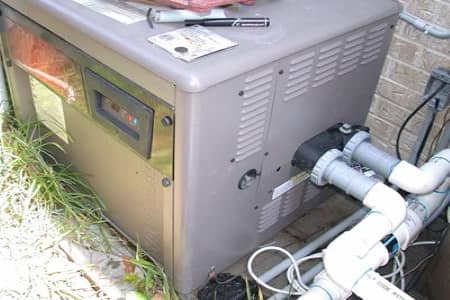
If you are building a sunroom, finishing an attic, or converting a porch in St. Paul, a ductless mini split heat pump is a smart way to heat and cool that new space without touching your existing ducts. It keeps the project simple, delivers year‑round comfort, and avoids the noise and hot‑cold swings that portable heaters can bring. And if your current system strains when the temperature plunges, pairing an addition with a mini split can help your main furnace last longer. If something feels off with your existing system on a bitter morning, our team is ready for fast heating repairs so your project stays on track.
Why Mini Split Heat Pumps Fit St. Paul Additions
St. Paul homes range from classic foursquares in Macalester‑Groveland to 1.5‑story bungalows near Como and post‑war ramblers in Highland Park. Many of these homes were not built with extra duct capacity for a new room. A mini split solves that problem by treating the addition as its own comfort zone. You get targeted heating and cooling without rebalancing the rest of the house.
Because the indoor head and outdoor unit connect with small refrigerant lines, installation is low‑impact for brick, stucco, or older plaster walls. That means fewer surprises during a remodel and less time your addition sits unfinished in the cold.
Comfort Through Minnesota Winters
Winter here is long and snowy, and wind can push real‑feel temperatures well below comfortable. Cold‑climate mini splits deliver steady heat for much of the season and keep additions usable even when the mercury drops. They modulate to maintain an even temperature, so you avoid the big swings that make a new space feel drafty.
Placement matters in our climate. Outdoor units should sit where drifting snow will not bury them and where roof runoff will not ice them in. Indoor heads should be set to sweep air across the room rather than straight at a sitting area, which helps prevent cold spots along exterior walls.
Ductwork vs. Ductless: What Homeowners Should Know
- Ductless systems avoid cutting into walls and ceilings for new runs, which reduces disruption during a remodel.
- They create independent zones, so you heat and cool only the new space without overworking the rest of the home.
- Modern inverter technology keeps sound levels low inside and outside, which is helpful on tight city lots.
- Wall, floor, and ceiling cassette options make it easier to work around windows, knee walls, and sloped ceilings common in older St. Paul homes.
With a good plan, your addition feels like it has always belonged. A separate thermostat lets you set the room cooler at night or warmer for a weekend craft room without changing the rest of the house.
Choosing the Right Size and Location
Sizing a mini split for an addition is about the room’s shape, insulation level, window area, and how you will use the space. A small office with one exterior wall needs less capacity than a vaulted family room with wide south‑facing windows. An expert load calculation looks at those details and guides line length, electrical needs, and indoor head style.
Think about furniture and artwork too. Avoid placing the indoor unit where shelving blocks airflow or where a direct blast could dry out instruments or plants. In many St. Paul additions, a high‑wall unit above the entry or a low wall unit along an interior partition offers the best coverage.
Integrating With Your Existing HVAC
Your main furnace or boiler keeps the original rooms comfortable, while the mini split handles the new square footage. That separation helps prevent long run times and cycling that can shorten equipment life. If your main system ever falters during a cold snap, a properly sized mini split can keep the addition livable while you schedule heating repairs for the rest of the home.
Looking ahead to warmer months, the same system cools your addition quietly, removing humidity that can make a glass‑filled room feel sticky in July.
Quiet, Efficient Comfort: Real‑World Scenarios
In Payne‑Phalen, a homeowner finishing an upstairs dormer used a compact wall cassette to heat the new bedroom and keep noise low for a nursery next door. In West 7th, a small home office addition got year‑round comfort without tying into old, undersized ducts. In Battle Creek, a sunroom with lots of glass needed a slightly larger capacity to handle afternoon sun. Different spaces, same result: steady, quiet comfort that feels natural.
Mini Splits and Additions: Installation Timeline
Most additions coordinate mini split work with framing, insulation, and electrical. Refrigerant lines are routed neatly, penetrations are sealed, and the indoor head is mounted after wall finish to keep it clean. Final commissioning checks airflow and temperature control so you are ready when the paint dries.
If your project schedule shifts because of weather or materials, mini split installation usually adapts easily, which helps keep your addition on time.
Maintenance Essentials for Long‑Term Performance
Routine professional maintenance keeps a mini split performing well through both heating and cooling seasons. A trained technician checks electrical connections, cleans indoor and outdoor coils, verifies refrigerant levels, and confirms that the condensate drain is clear. That visit is especially valuable before the first hard freeze and again before peak summer humidity.
Between visits, keep shrubs trimmed around the outdoor unit and leave space for air to move. Avoid stacking tools, bikes, or snow shovels against the cabinet.
Signs a Mini Split Heat Pump Is Not Working Right
- Unusual noises from the indoor head or the outdoor unit that do not go away after a short cycle
- Rooms that never reach the set temperature or drift off quickly once the system stops
- Short cycles that start and stop within minutes, especially in mild weather
- Water staining below the indoor unit or musty odors that linger
If you notice these issues, schedule service promptly. Small problems can grow during deep cold or summer humidity. Do not ignore repeated error codes or puddling water under the indoor unit. A timely visit can protect your investment and prevent comfort disruptions.
Repair, Tune, or Replace: Making the Right Call
Mini split systems are durable, but like any machine they can develop issues. Many are solved with cleaning, electrical checks, or small parts. If your system is aging, has a history of breakdowns, or fails to keep up with your room’s load, a technician may recommend mini split heat pump repairs, performance tuning, or discussing a mini split replacement for better reliability.
When a unit in an addition is paired with an older central system, a clear plan matters. Choose repairs that restore safe, steady performance and protect nearby finishes in your new space. If a replacement makes more sense, your installer can match new equipment to your room’s needs and your home’s electrical capacity.
How Mini Splits Improve Everyday Living
Home offices in Hamline‑Midway, art studios in the North End, and basement gyms in Dayton’s Bluff each have different comfort needs. Zoning lets you set the addition cooler at night without changing the rest of the house. Quiet operation helps during video calls and bedtime stories. With the right setup, you will likely forget the system is even running.
For homeowners planning the next step, learn about efficient heat pump installation options and how they complement your main system. If you are still exploring equipment styles for your project, see how mini split installation works during a remodel so you can plan wall space and electrical early.
When Comfort Needs Expand Beyond One Room
Sometimes an addition is the first step. Maybe the attic becomes a bedroom this year and the basement turns into a hobby room next summer. Multi‑zone mini split setups can scale over time, using one outdoor unit with several indoor heads. That flexibility is useful in older St. Paul homes where each new space has its own quirks and insulation levels.
If your long‑term plan includes a kitchen expansion or a four‑season porch, talking through future phases now can save time and help avoid rework later.
The Right Partner for St. Paul MN Homes
Choosing the right installer matters as much as choosing the right equipment. You want a team that understands snow loads, wind patterns, and how older homes breathe. Proper mounting height and clearances are not nice‑to‑haves in Minnesota; they are essential for reliability. With clear communication and tidy workmanship, your new space will be ready for everything from family dinners to spring baseball watch parties.
To learn more about equipment options and planning, start at the source. Explore mini split heat pumps in St. Paul with Lux Mechanical and see how a zoned approach fits your home and goals.
Make Your Addition Cozy Without New Ductwork
Your new room should feel great the day you move in and for many winters to come. Whether you are planning the design or need help with a system that struggles, Lux Mechanical is here to help. For fast help or to line up expert diagnostics, call 651-778-1425 or schedule trusted heating repairs with a team that knows St. Paul weather and St. Paul homes.
GET COMFORTABLE WITH OUR HVAC SPECIALISTS IN ST. PAUL.